
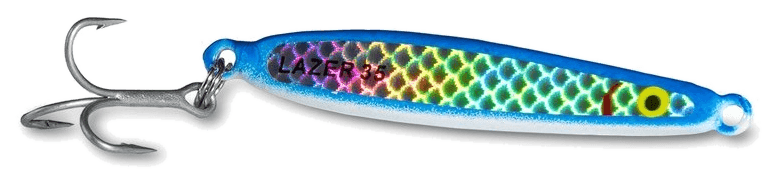
 10g to 90g
Spinning and Casting Lures
Spinning means casting a lure out and working it back. Metal lures do it best, because weight in a slim body flies further than anything else in the tackle box.
The short answer
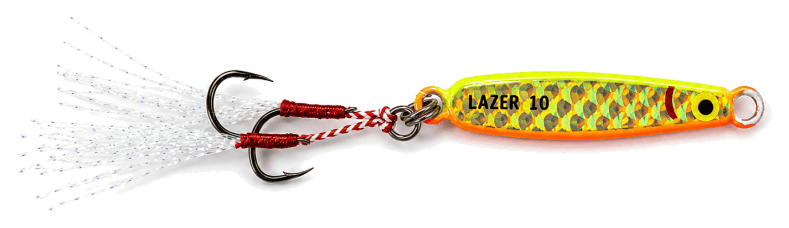
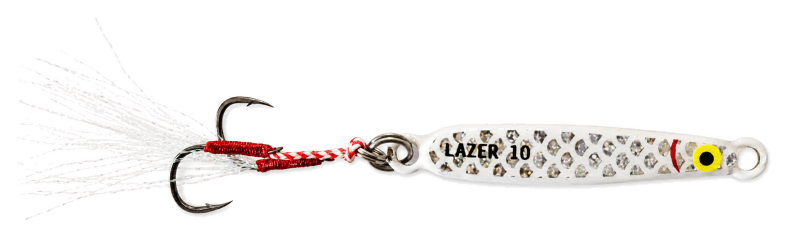
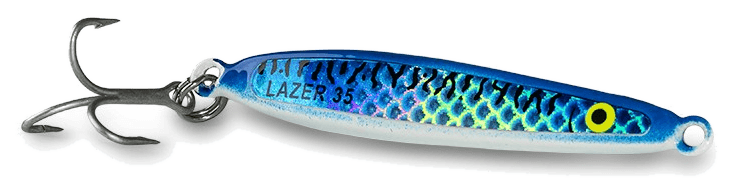
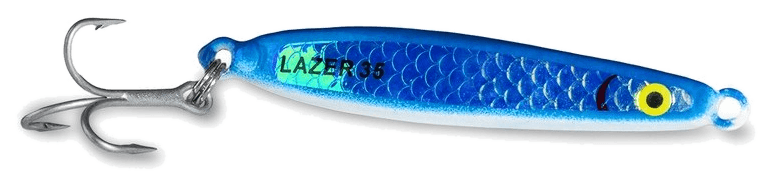
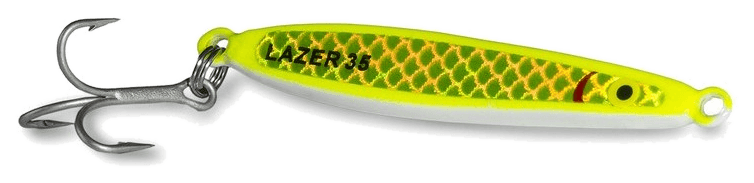
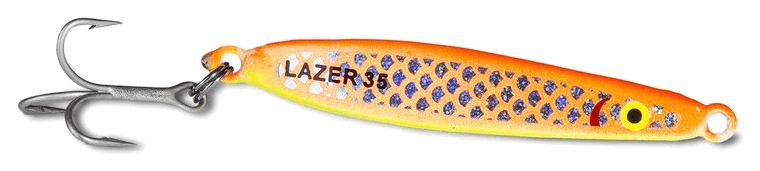
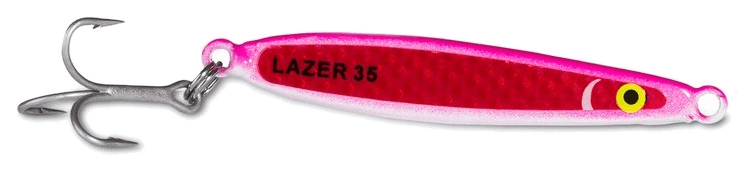
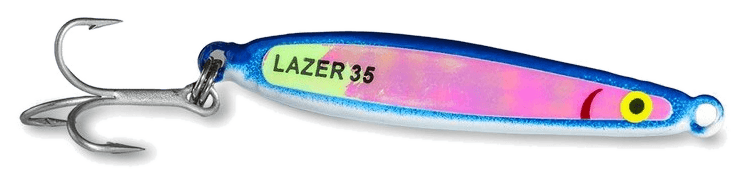
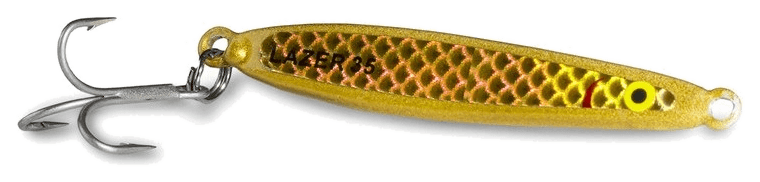
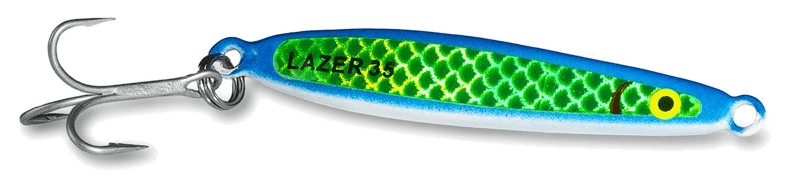
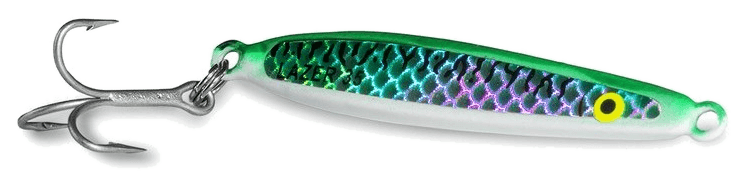
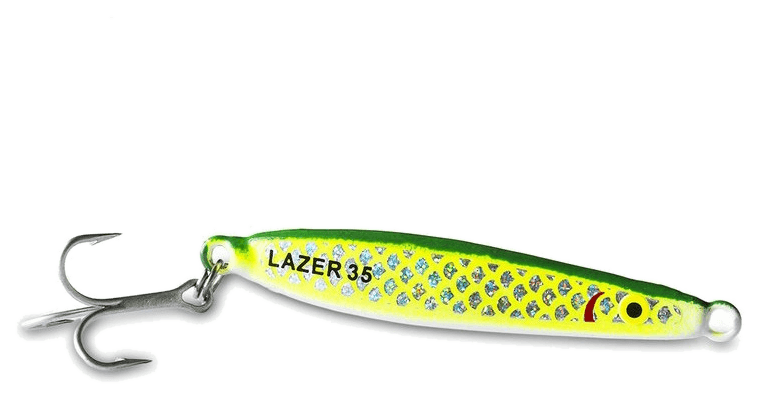
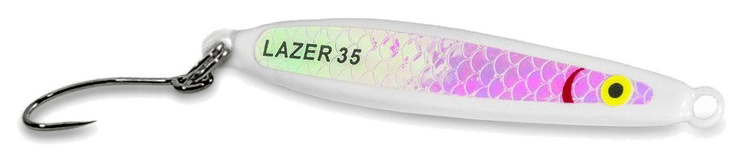
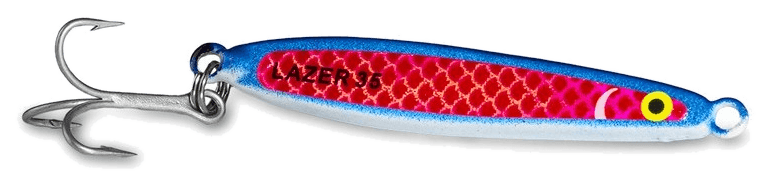
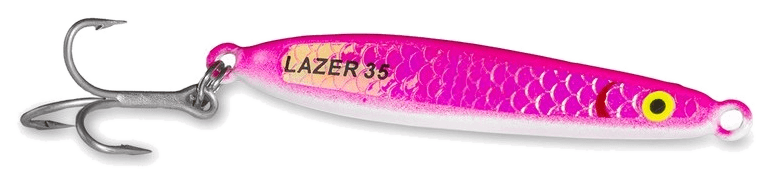
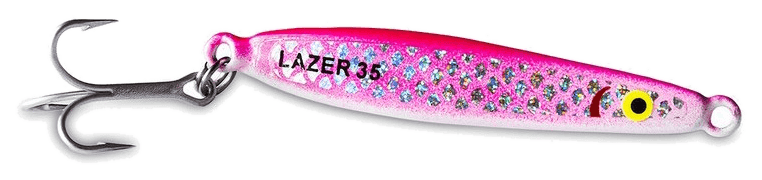
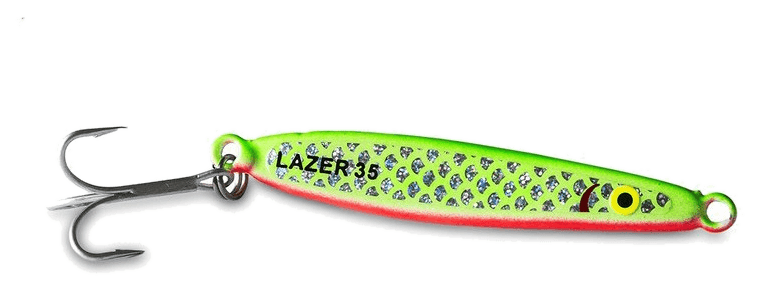
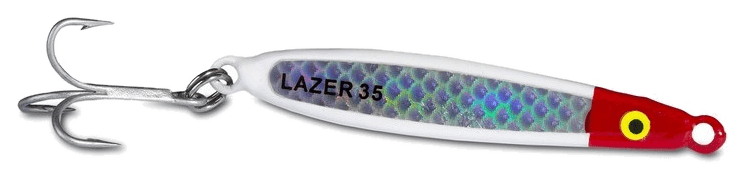
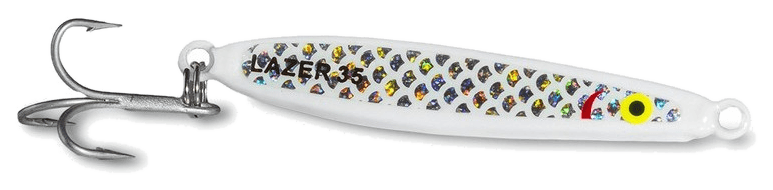
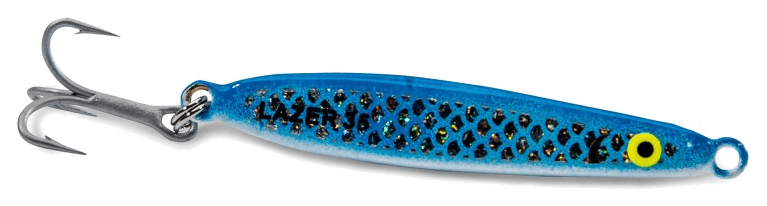
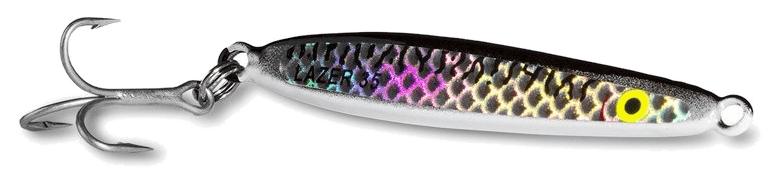
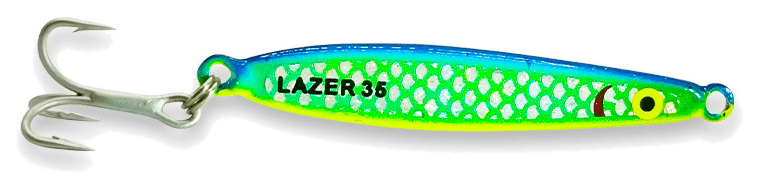
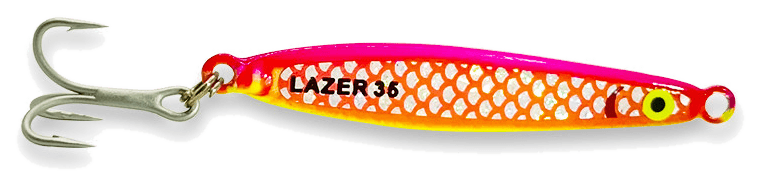
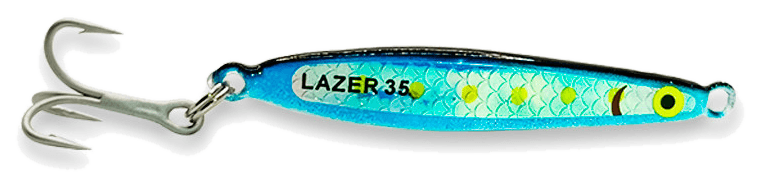
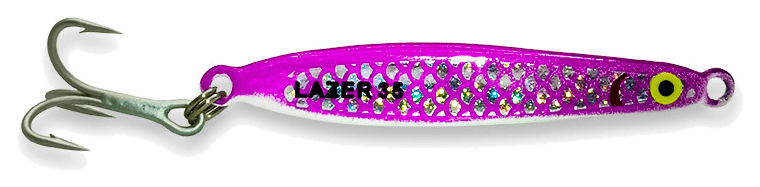
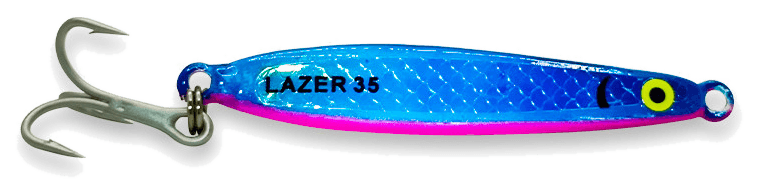
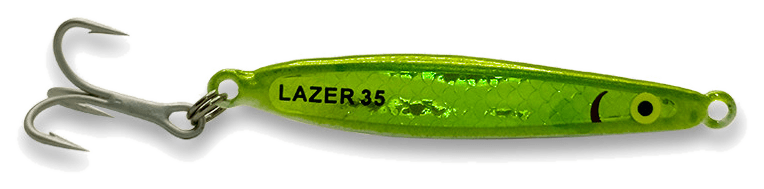
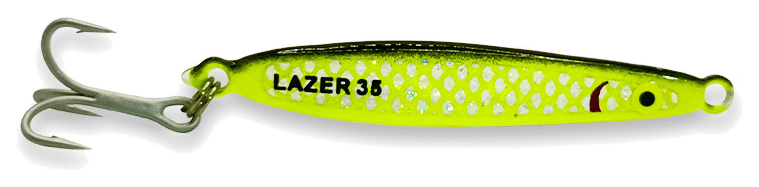
The best spinning lures are compact, rear-weighted metals that cast a long way and swim like a baitfish on the retrieve. Vary your retrieve speed so the lure looks like a wounded baitfish; for tuna and other pelagics, wind as fast as you can. The Lazer is rear weighted for extra casting distance and comes in 10g to 90g.
How to spin a metal lure
When spinning, alter the speed of your retrieve to give the impression of a wounded baitfish, so the predator thinks it is an easy catch. If fish follow without taking, speed up.
High speed spinning, winding flat out, is the approach for tuna, mackerel and other pelagics. Vertical spinning drops the lure to the bottom and winds it straight back up, and works on mackerel, trevally, kingfish and queenfish.
Which shape
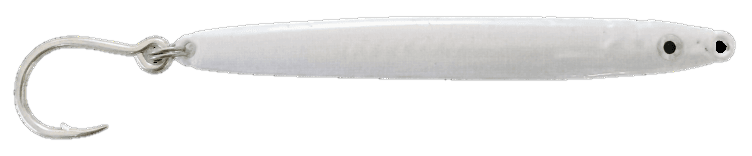
- Lazer
- Straight, rear weighted, maximum distance. 10g to 90g.
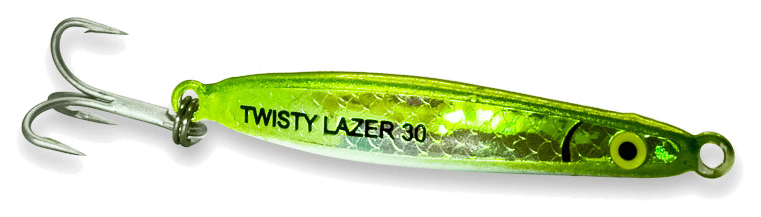
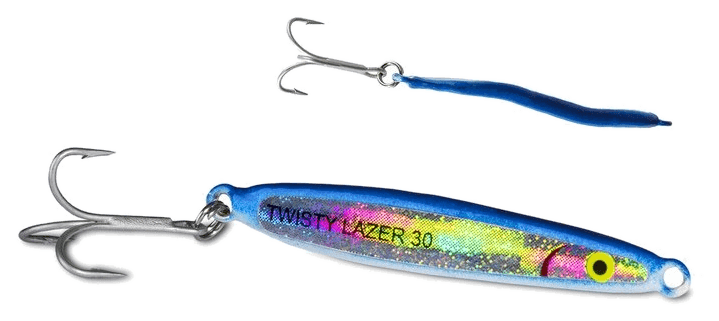
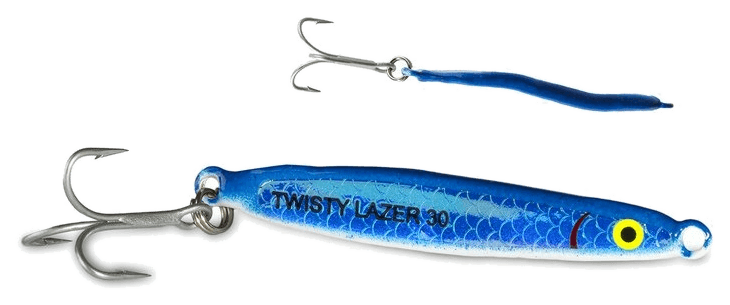
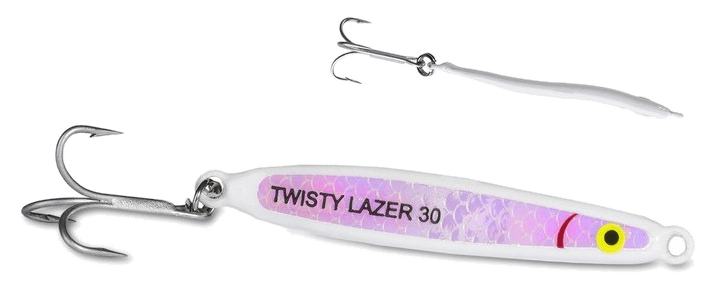
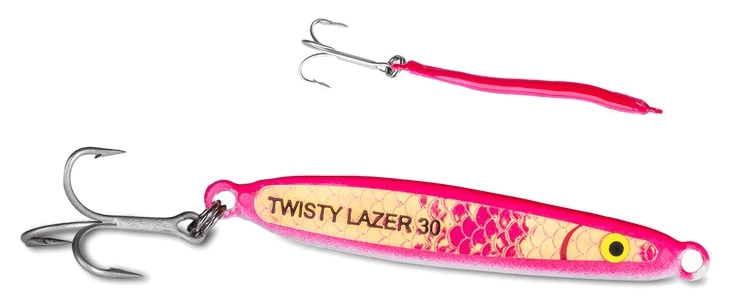
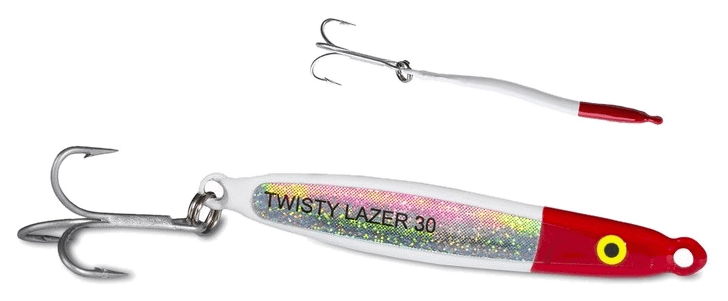
- Twisty Lazer
- S-bend for more action. 20g to 60g.
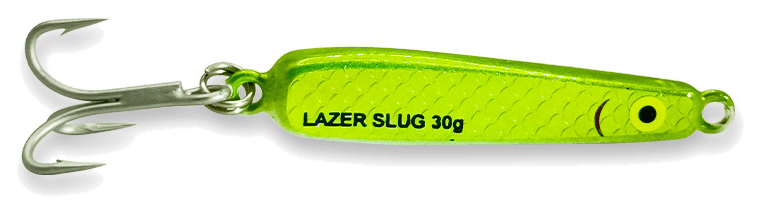
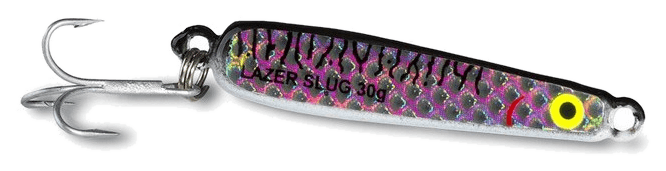
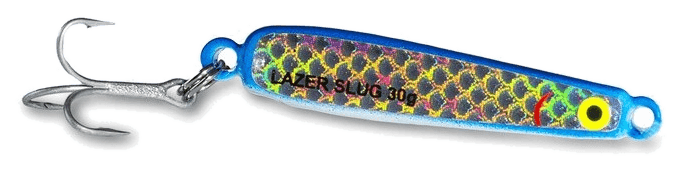
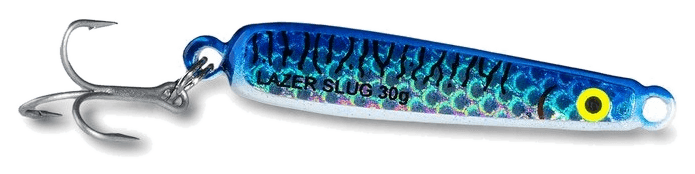
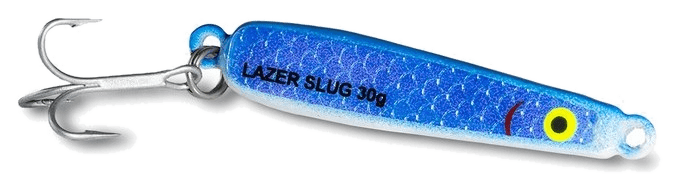
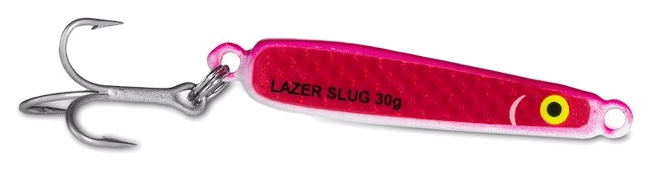
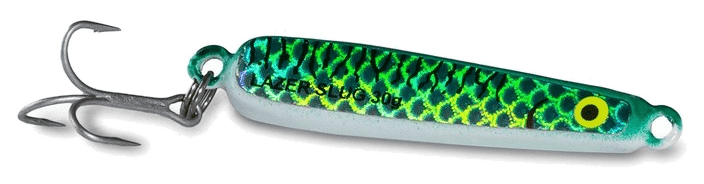
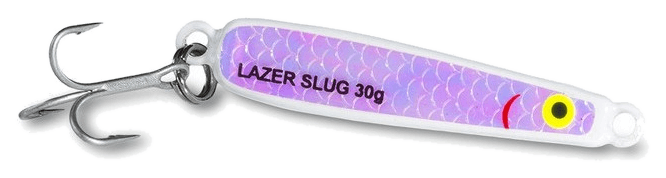
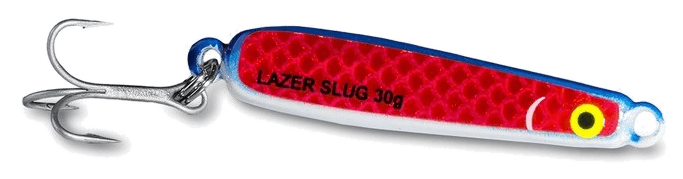
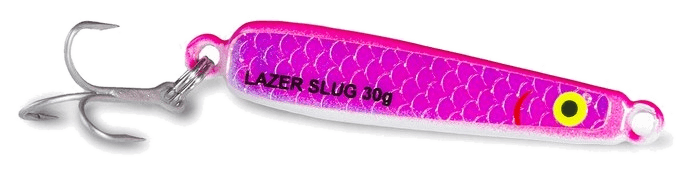
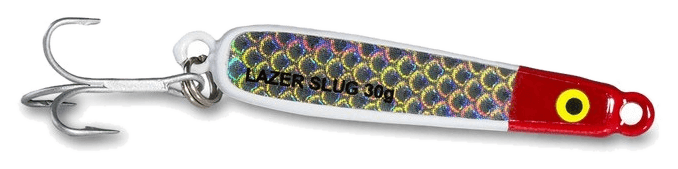
- Lazer Slug
- Compact, matches small bait. 20g to 42g.
- Micro-Jig
- Small and bright for estuaries.
- Teeny Poppa
- Metal popper for surface feeders. 15g and 20g.
The lures
52 lures
- 10g to 90g

Questions anglers ask
Is a casting lure the same as a spinning lure?
In Australia the terms are mostly used for the same thing: a lure you cast out and retrieve. Metal lures are the long-distance option.
Why is the Lazer rear weighted?
Putting the weight at the back lets the lure fly tail-first, which gives it greater casting distance.
Read the full guide